


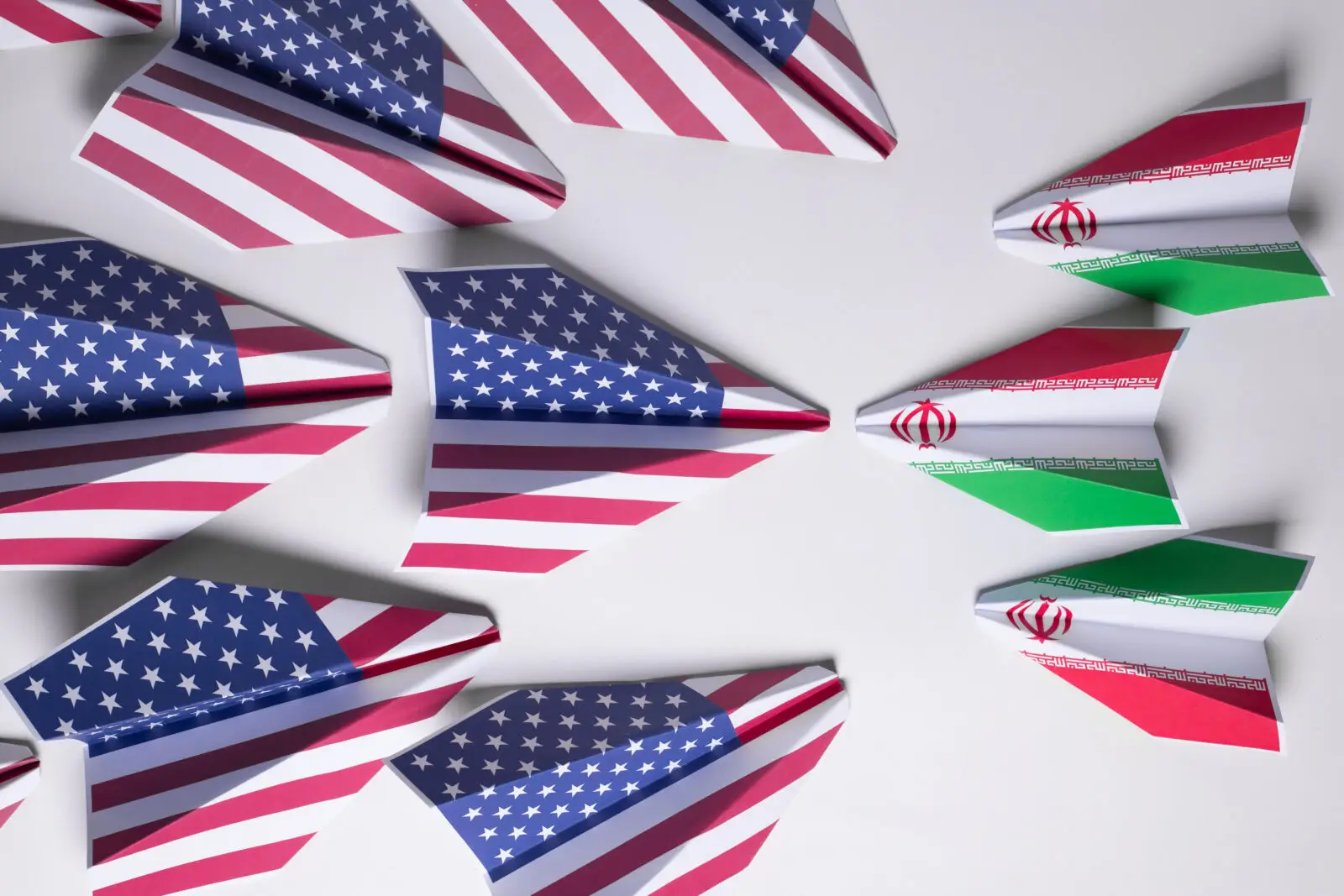
After nearly four months of fighting that reshaped the Middle East and rattled the global economy, the war between the United States, Israel, and Iran has shifted from the battlefield to the negotiating table. Now, here is where things stand right now. Also, here is what just happened, and what to watch next.
The headline: from war to a fragile peace process
The 2026 Iran war ran from February 28 to June 17, 2026. On June 17, Iranian President Masoud Pezeshkian and U.S. President Donald Trump signed a framework agreement — a 14-point Memorandum of Understanding — at a ceremony in France. This followed a G7 summit. The deal set a 60-day window for both sides to negotiate a final settlement.
That clock is now ticking, and this past week delivered the first major round of follow-up talks.
What just happened: the Switzerland talks (June 21–22)
High-level negotiators met at the Bürgenstock resort overlooking Lake Lucerne in Switzerland, with Qatar and Pakistan acting as mediators. The U.S. delegation was led by Vice President JD Vance. Meanwhile, Iran’s was led by parliament speaker Mohammad Bagher Ghalibaf, alongside Foreign Minister Abbas Araghchi.
Key outcomes reported from the talks:
- Nuclear inspectors returning: Vance announced that Iran agreed to allow International Atomic Energy Agency (IAEA) inspectors back into the country — a central U.S. demand. Trump posted that Iran “will agree” to major weapons inspections to ensure long-term “nuclear honesty.” Iran’s foreign ministry, however, cautioned that substantive negotiations on the nuclear issue have not formally begun.
- A 60-day roadmap: Mediators said the two sides agreed on a roadmap toward a final deal within the 60-day ceasefire window.
- Strait of Hormuz reopened: Both sides set up a communication line to avoid incidents in the Strait of Hormuz and ensure safe passage for commercial ships. Commercial traffic through the waterway has surged since it reopened, and the U.S. naval blockade on Iranian ports has been lifted.
- Sanctions relief begins: The U.S. Treasury issued a temporary 60-day general license waiving sanctions on the production, sale, and delivery of Iranian oil through August 21, 2026.
- Lebanon “deconfliction cell”: The U.S., Iran, and Lebanon agreed to create a mechanism to uphold the ceasefire on all fronts, including the Israel–Hezbollah conflict in southern Lebanon. Israel and Hezbollah have agreed to renew their ceasefire.
Vance described the 36 hours of talks as “rocky but productive” and said they laid “a good foundation” for a final peace deal.
How the war started
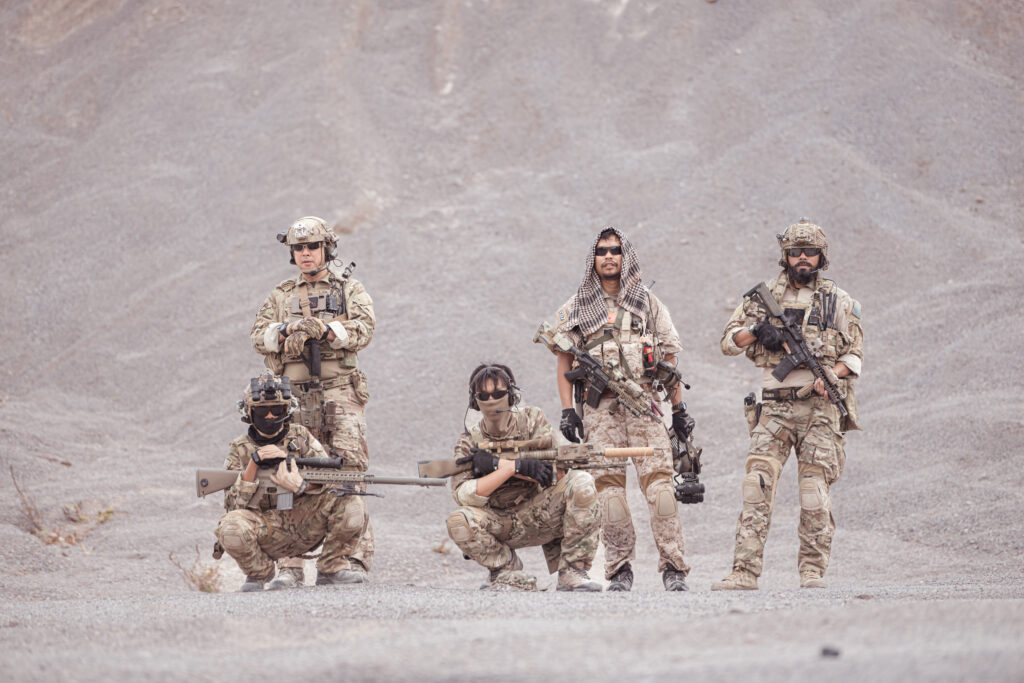
On February 28, 2026, U.S. and Israeli forces launched nearly 900 strikes in 12 hours. They targeted Iranian missiles, air defenses, military infrastructure, and leadership. The opening wave killed Supreme Leader Ali Khamenei and dozens of other officials. In response, Iran retaliated with hundreds of drones and ballistic missiles aimed at Israel, U.S. bases, and several Gulf states. Iran also moved to block the Strait of Hormuz — triggering a global fuel crisis.
Iran’s leadership moved quickly to avoid a power vacuum. Furthermore, Mojtaba Khamenei — the late leader’s son — was appointed Supreme Leader in early March.
The human and economic toll
The war was costly on every front:
- Iran: Human rights monitors reported thousands killed, including a large share of civilians, mostly from U.S.–Israeli airstrikes.
- Lebanon: Thousands killed in the parallel Hezbollah–Israel conflict, with over a million people displaced, according to U.N. estimates.
- United States: The Pentagon reported U.S. military deaths and a heavy munitions cost — officials warned it could take years to replenish missile stockpiles.
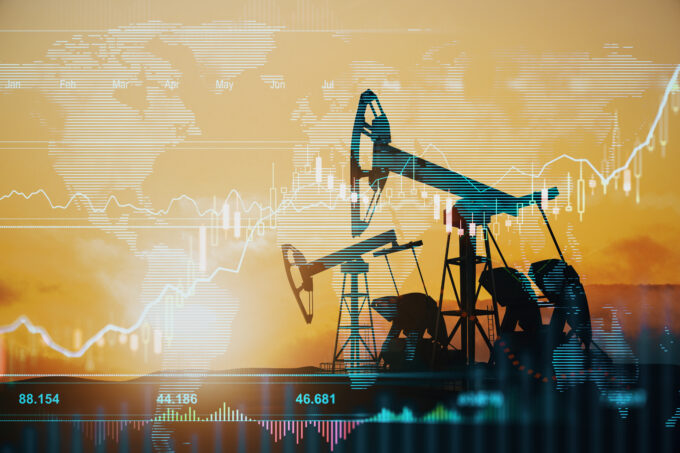
- Global economy: With the Strait of Hormuz handling roughly a fifth of the world’s oil, prices spiked above $100 per barrel (up from the $67–$71 range before the war). One think tank estimated the conflict was reducing global GDP by around $2.2 trillion a year.
What’s still unresolved
A framework is not a finished deal. The hardest questions remain on the table for the 60-day negotiating window:
- Whether Iran will be allowed to continue enriching uranium, and at what level.
- The fate of Iran’s stockpile of highly enriched uranium — Washington reportedly wants a role in diluting it, which Iran is unlikely to welcome.
- The full scope of international inspections.
- The timeline for lifting sanctions and the release of Iran’s frozen assets (reports cite figures ranging from $25 billion up to roughly $100 billion).
- Whether the Lebanon ceasefire holds, with Israel signaling it intends to keep forces in a “security zone” in southern Lebanon.
What to watch next
- The 60-day deadline (from the June 17 signing) is the key milestone for whether a permanent deal materializes.
- IAEA inspections — whether and how quickly inspectors actually get access will be an early test of trust.
- The Lebanon “deconfliction cell” — Iran’s foreign minister has called this the first real test of the agreement.
- Oil markets — sustained reopening of the Strait of Hormuz should ease prices, but any breakdown in talks could send them spiking again.
Bottom line
The guns have largely gone quiet, and the diplomatic track is moving — sanctions are easing, the Strait of Hormuz is open, and inspectors are set to return. Still, the most difficult issues, especially around Iran’s nuclear program, are still being negotiated against a tight clock. The next two months will determine whether this becomes a durable peace. Otherwise, it may become a pause before renewed conflict.
This article is a news summary compiled from reporting by outlets including Al Jazeera, CBS News, Reuters/AP, CNN, TIME, and Britannica, as of June 23, 2026. Because this is a fast-moving story, details may change — check current sources for the latest developments.





Leave a comment